The Major Cons and Limitations
1. Extremely Rigid Morning Timing
The 30/30/30 rule demands that you eat 30 grams of protein within 30 minutes of waking, then exercise for 30 minutes immediately after. For many people, this rigid schedule is the biggest obstacle. If you naturally wake up at different times, work irregular shifts, or simply aren't hungry first thing in the morning, this method can feel impossible to sustain.
Parents with young children, night shift workers, or anyone with an unpredictable morning routine often find the strict timing creates more stress than benefit. The pressure to adhere to these exact timeframes can turn what should be a healthy habit into an anxiety-inducing obligation.
2. Not Suitable for Intermittent Fasting
If you practice intermittent fasting or prefer time-restricted eating, the 30/30/30 method directly conflicts with your approach. Many people have found success with fasting protocols that delay the first meal until 10 AM or later. Being forced to eat within 30 minutes of waking eliminates this option entirely.
There's strong research supporting intermittent fasting for weight loss and metabolic health. The 30/30/30 rule essentially requires you to abandon this approach, which may not be ideal if fasting has worked well for you in the past.
⚠️ Who Should Avoid This Method:
- People with kidney disease or kidney issues (high protein can be problematic)
- Those with eating disorders or disordered eating patterns
- Individuals who practice intermittent fasting successfully
- People with severe morning nausea or digestive issues
- Anyone taking medications that require fasting in the morning
3. High Protein May Not Suit Everyone
Consuming 30 grams of protein first thing in the morning can cause digestive discomfort for some people, especially those who aren't accustomed to eating protein-heavy breakfasts. Common complaints include bloating, constipation, nausea, and feeling overly full for hours.
Additionally, individuals with kidney disease or compromised kidney function need to be very careful with high protein intake. While 30 grams at breakfast isn't extreme, when combined with protein at other meals, it can add up quickly. Always consult a healthcare provider if you have any kidney concerns.

4. Doesn't Address Overall Calorie Intake
Perhaps the biggest flaw of the 30/30/30 method is that it only focuses on your morning routine. There are no guidelines for the rest of your day. This means you could perfectly execute the morning protocol but completely derail your progress with poor food choices later.
Some people interpret the method as a "free pass" for the rest of the day, thinking the morning routine somehow compensates for afternoon fast food or evening binge eating. This is where many people fail—they nail the 30/30/30 but never create the calorie deficit necessary for weight loss.
5. Low-Intensity Exercise Isn't Enough for Everyone
The method specifically calls for low-intensity, steady-state cardio. While this works for beginners or those focused primarily on weight loss, it's insufficient for people with other fitness goals. If you're trying to build muscle, improve cardiovascular endurance, or increase athletic performance, 30 minutes of walking won't cut it.
Athletes, fitness enthusiasts, or anyone who needs strength training will find the 30/30/30 method too limited. You'd need to add significant additional exercise, which defeats the "simplicity" that makes this method appealing in the first place.
Real Experiences: When It Didn't Work
Jessica R., 29 - Stopped after 3 weeks
"I felt nauseous eating that much protein so early. I've never been a breakfast person, and forcing myself to eat within 30 minutes of waking made mornings miserable. Plus, with my commute, finding time to exercise afterward was impossible. It just didn't fit my life."
Mark T., 35 - No weight loss results
"I followed the morning routine religiously for 8 weeks and lost maybe 2 pounds. I realized I was using it as an excuse to eat whatever I wanted the rest of the day. The method itself is fine, but it doesn't teach you about nutrition or portion control for your other meals."
Angela M., 42 - Conflicted with existing routine
"I'd been doing intermittent fasting for years with great success. Switching to eating breakfast immediately undid all my progress. I gained weight because I was now eating breakfast AND my regular meals. The 30/30/30 method isn't compatible with fasting."
6. Can Be Expensive and Time-Consuming
High-quality protein sources aren't always cheap. Getting 30 grams of protein from whole foods requires either multiple eggs, Greek yogurt, protein powder, or lean meat—all of which add up financially. For people on tight budgets, this daily expense can be a significant barrier.
Time is another factor. Preparing a protein-rich breakfast and then exercising for 30 minutes means you need at least an hour dedicated to the morning routine. For people with early commutes or family responsibilities, this simply isn't feasible on a daily basis.

7. Lacks Personalization
The one-size-fits-all nature of the 30/30/30 method is both its strength and weakness. While simplicity appeals to many, it completely ignores individual differences in metabolism, activity level, body composition goals, and health conditions.
A 6'2" male athlete has vastly different nutritional needs than a 5'2" sedentary woman. Yet the method prescribes the same 30 grams of protein and 30 minutes of exercise for both. This lack of personalization means the method may be perfectly adequate for some but totally insufficient for others.
Is It Worth Trying Despite the Cons?
The 30/30/30 method isn't inherently bad—it's just not universal. For people who enjoy breakfast, have flexible morning schedules, and need a simple structure to get started with weight loss, it can be effective. The cons are primarily about lifestyle compatibility and specific health conditions rather than the method being dangerous or ineffective.
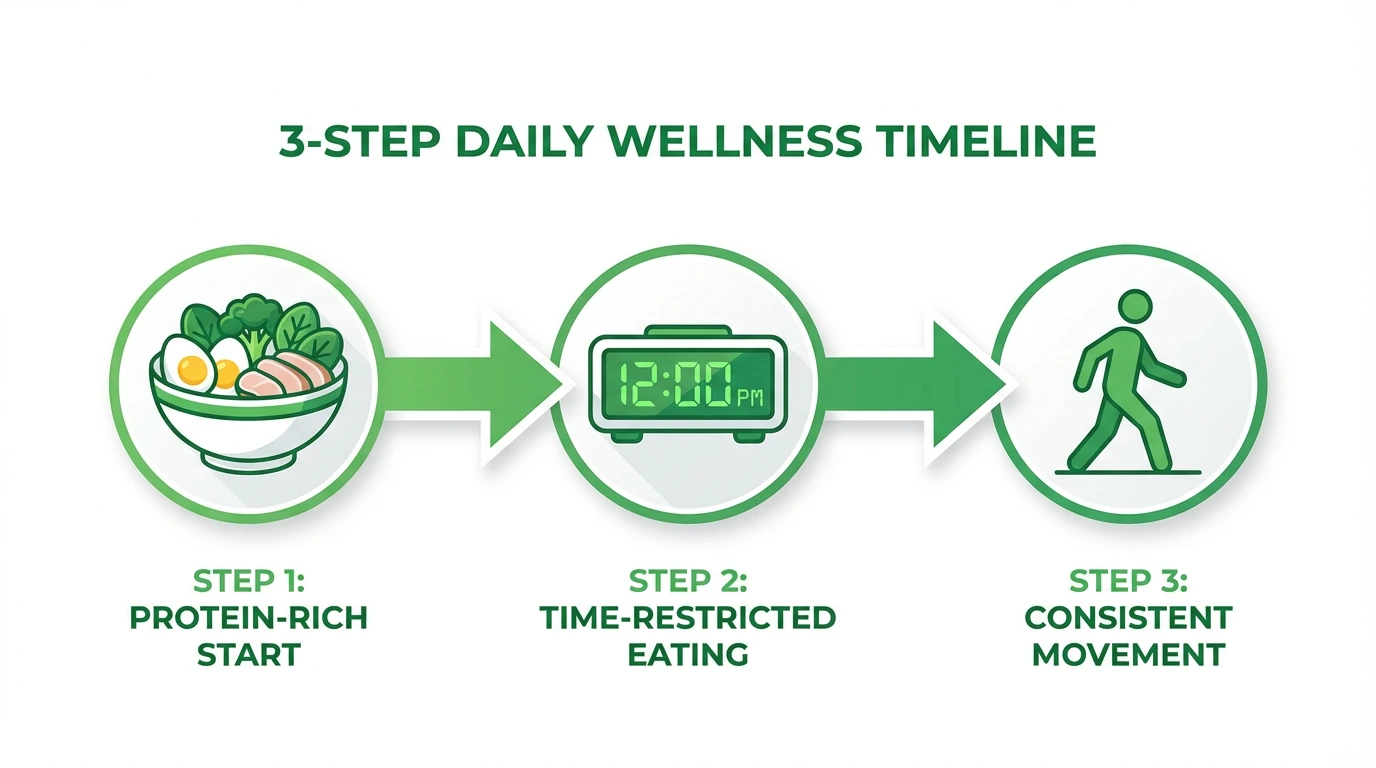
If the cons listed here resonate with you, consider modifying the approach. Maybe you eat protein within an hour instead of 30 minutes. Maybe you exercise in the evening instead of morning. The core principles—adequate protein, daily movement, consistency—can be adapted to fit your life rather than forcing your life to fit the method.
The Bottom Line
The main cons of the 30/30/30 rule are its rigidity, incompatibility with other effective approaches like intermittent fasting, potential digestive issues from high morning protein, lack of guidance for the rest of the day, and insufficient challenge for advanced exercisers. It's not suitable for everyone, particularly those with kidney issues, eating disorders, or irregular schedules.
Before committing to this method, honestly assess whether these limitations apply to you. If they do, you're better off finding a more flexible approach that achieves similar goals—protein adequacy, daily movement, consistent habits—without the constraints that make 30/30/30 difficult to sustain long-term.